


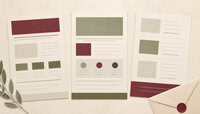



I remember the day my business almost fell apart. My website was a mess of different colors and weird fonts. I kept asking myself: how can you ensure that your website stays visually consistent? I learned the hard way that a disjointed site kills trust.
A study shows that 68% of companies see brand consistency help their revenue grow by up to 20%. This is not just about art. It is about money and growth. I want to share my system with you now.
For a related walkthrough, you can also read Beyond the Logo: The Ultimate Brand Identity Design Definition That Builds Trust and Boosts Recognition..
- Build a style guide.
- Use a modular system.
- Run regular checks.
First of All, Build a Style Guide to Set the Rules
I found that a brand style guide is the best tool for any team. It serves as a map for your design. You must define your color palette first. Choose a main color and a few others that match. This keeps the look the same on every page. Simple? Yes. Vital? Absolutely.
Later, you must pick your fonts. Select one font for big headers and one for the main text. You should also set fixed sizes for these fonts. This helps people read your content without any stress. At that time, I did not know how much this mattered. Now, I see the power of clear rules.
Additionally, you need to define how to use your logo. State where it goes and how big it should be. Do not let anyone stretch or change it. A consistent logo builds brand recall fast. Plus, it makes your business look professional to every new lead.
How can you ensure that your website stays visually consistent with Atomic Design?
My team uses the Atomic Design method to stay on track. We break the site into small parts called atoms. These are basic things like buttons, inputs, and labels. Then, we join them to make molecules. For example, a search bar is a molecule made of a button and an input.
Similarly, we build organisms from those molecules. A website header is a great example of an organism. It has a logo, a menu, and a search bar. However, the best part is that you can reuse these parts everywhere. This saves so much time and money.
Therefore, you create templates that show the page layout. These templates focus on structure, not final content. Finally, you add real text and images to make pages. This system keeps everything in order. The result? A perfect, unified site.
Use Grid Systems and Templates for Your Layout
First of all, you should use a grid system. A grid is like a hidden skeleton for your web pages. It helps you align text and images in a tidy way. Plus, it makes the user experience much more intuitive. I always suggest a 4-pixel or 8-pixel scale for spacing.
Gradually, I built a set of reusable content blocks. These blocks ensure that every page follows the same flow. You should align your images and text the same way on every section. This creates a sense of rhythm as people scroll down. Consistency is king here.
| Token Type | Example Value | Purpose |
| Color Primitive | #E50914 | Sets the base brand red. |
| Spacing Scale | 8px | Defines the gap between blocks. |
| Font Size | 16px | Sets the standard for body text. |
The table above shows how simple tokens help you. These are the building blocks of your site. I use them to keep my colors and gaps exact. If you change a token, it updates everywhere. This makes your work very efficient.
Implement Responsive Design for Every Screen
You must use responsive design to reach everyone. Most people now use mobile phones to browse. Therefore, your site must look great on a small screen. I always use flexible layouts that change with the screen size. This keeps the look stable on any device.
However, you should not just shrink things. You must make sure your fonts stay large enough to read. Plus, your buttons need to be easy to tap with a thumb. I found that testing on real devices is the only way to be sure. Emulators are good, but real phones are better.
On top of that, use scalable images that do not get blurry. A crisp site builds trust. Blurry photos make you look like a low-quality brand. I always aim for high resolution. It is a simple step with a huge impact on your growth.
Conduct Regular Audits to Fix Design Drift
You should run a design audit every few months. Sites tend to get messy as you add new pages. I call this design drift. First of all, gather all your logos, fonts, and colors in one place. Then, check them against your live pages. Do they match?
Later, analyze your visual elements one by one. Look for icons that do not belong to the same family. Check if the spacing is the same on the blog and the home page. If you find a bug, fix it immediately. This keeps your site fresh and modern.
| Audit Step | Action Item | Goal |
| Visual Check | Review colors and fonts. | Stay on brand. |
| Mobile Test | Check menus on a phone. | Improve usability. |
| Speed Test | Measure page load time. | Boost SEO. |
The table above is my basic audit plan. I follow these steps to stay ahead of the game. A clean site keeps visitors around longer. Plus, it tells search engines that your site has high value. Do not skip this work.
How can you ensure that your website stays visually consistent with content?
Writing is a huge part of your visual brand. I always use a writing style guide. It sets the tone for my business. For example, my brand is friendly and casual. Therefore, I do not use hard words or long sentences. This makes my message clear to everyone.
On top of that, you should use simple words like use instead of utilize. This helps people with different literacy levels. Also, keep your paragraphs short. I found that two to four sentences per block is the sweet spot. It provides visual breathing room for the reader.
Similarly, you must keep your headlines consistent. If you use a bold look for one H2, use it for all of them. This creates a clear hierarchy. It guides the user through your story. Plus, it makes your site look very polished and organized.
If this topic is useful, the next helpful resource is The Essential Tools and Systems for Perfect Visual Brand Consistency Across Every Site.
Conclusion
how can you ensure that your website stays visually consistent? The answer lies in systems. You must build a style guide and use atomic design. You also need to run regular audits to catch errors. Trust me, the effort is worth the result.
A unified site builds trust and drives revenue growth by 10% or more. I want you to start this journey today. Your business deserves a professional look. Let us make it happen.
FAQ’s
What is visual consistency?
Visual consistency is the use of the same colors, fonts, and patterns across a whole site. It makes a brand easy to recognize. It also makes a site simple to use.
Why is a style guide important?
A style guide is a set of rules for your design. It keeps your team on the same page. It ensures that every new page looks like it belongs to your brand.
How often should I audit my site?
I recommend a full audit every three to six months. Trends change and small errors add up. Regular checks keep your site looking fresh and modern.
What is Atomic Design?
Atomic Design is a way to build sites from small, reusable parts. You start with atoms and build up to full pages. It makes your work faster and more consistent.
How does consistency help SEO?
A well-structured site keeps people around longer. This tells Google that your site is valuable. Plus, a consistent site is often faster and easier for bots to crawl.
I remember when my first business site looked like a total mess. Every page used a different shade of blue and the fonts were all over the place. I sat at my desk and asked a simple question: how can you ensure that your website stays visually consistent? I found out that a bad look hurts more than just your pride.
A report shows that 94% of first impressions relate to your design. Additionally, brand consistency can boost your revenue by as much as 20%. It is not just about art; it is about growth and money. I want to share the system I used to fix my operations and scale my revenue.
I also recommend checking The expert roadmap for how to analyze competitor site structure? and outrank every rival website right now, for a closely related step.
- Set clear rules with a style guide.
- Use small parts with atomic design.
- Check your work with regular audits.
First of All, Build a Style Guide to Set the Rules
I found that a clear style guide is the best map for any business. It serves as a single source of truth for your team. You must define your color palette in this guide. This ensures that everyone uses the same exact color codes for every button and link. Simple? Yes. Powerful? Absolutely.
Later, you should pick your brand fonts and stick to them. Consistent typography helps people read your message without any confusion. At that time, I did not know that fonts could change how people feel about my brand. Now, I see that clear font rules build massive trust.
On top of that, you need to state how to use your logo. You should define where it goes and what size it must be. Do not let anyone stretch or change the colors of your logo. This keeps your identity strong across every new lead you generate.
How can you ensure that your website stays visually consistent with Atomic Design?
My team uses a system called Atomic Design to stay organized. Brad Frost made this idea popular back in 2016. We break the site into five stages: atoms, molecules, organisms, templates, and pages. Each stage builds on the one before it to create a strong structure.
First of all, you start with atoms like buttons or labels. Then, you join them to make molecules like a search box. Similarly, you group those molecules into organisms like a website header. You might ask: how can you ensure that your website stays visually consistent with this method? It works because you reuse these parts everywhere instead of making new ones for each page.
Therefore, you create templates that show the page layout. These templates focus on the skeleton of the site, not the final text. Finally, you add real content to make pages. This hierarchy ensures that every piece of your site fits together like a perfect puzzle.
Use Design Tokens to Power Your Operations
Gradually, I learned that design tokens are the secret to scaling fast. Design tokens are small bits of data that store your design choices. They represent values like colors, spacing, and font sizes. Plus, they help designers and developers speak the same language.
However, the best part is that tokens make changes very easy. If you change a color token, it updates every page on your site at once. This saves my team hours of manual work every single month. I keep asking myself: how can you ensure that your website stays visually consistent without these tools? I do not think it is possible for a growing business to stay tidy without them.
| Token Type | What it Defines | Example Value |
| Color Token | Primary brand colors. | #0070f3 |
| Spacing Token | Gaps between elements. | 24px |
| Radius Token | Rounded button corners. | 8px |
The table above shows common tokens we use to build our systems. These values ensure that a button on a blog post looks the same as a button in our store. Salesforce started using these in 2014 to keep their large apps unified. They are the building blocks of a professional digital presence.
Implement Responsive Design for Every Screen
You must think about more than just desktop screens today. Most people will find your site on a mobile phone first. Therefore, you need flexible layouts that adapt to any device. I use fluid grids to keep my site looking stable and professional everywhere.
Also, you should use scalable images that do not get blurry. Crisp visuals build trust with your leads immediately. Blurry photos can make your whole brand look low-quality and messy. Plus, they hurt your user engagement over time.
Additionally, test your site on real phones and tablets often. Emulators are helpful, but they do not show every real-world quirk. I found that real tests reveal small errors that machines miss. It is a vital step to keep your site perfect for every visitor.
Run Regular Design Audits to Fix Drift
I suggest you run a design audit every few months. Websites tend to get messy as you add more pages and features. I call this design drift. First of all, gather all your logos, colors, and fonts in one place. Then, compare them to your live pages to find errors.
Later, use tools to check if users are having trouble with your site. Heatmaps can show you where people click and where they get lost. Similarly, session replays show you exactly how visitors move through your content. This data helps you see how can you ensure that your website stays visually consistent while also being easy to use.
| Audit Step | Goal of the Action | Tool to Use |
| Visual Inventory | Find inconsistent patterns. | Screenshots |
| Usability Test | Check if navigation is clear. | Contentsquare |
| Contrast Check | Ensure text is easy to read. | WAVE |
The table above outlines my basic audit process. I follow these steps to keep my site fresh and modern. A clean site tells search engines that your content is valuable. Do not skip this check if you want to scale your revenue.
How can you ensure that your website stays visually consistent with content?
Before you move on, Professional identity design definition systems will scale your business revenue and generate leads now can give you more context.
Writing is a huge part of how your site looks and feels. I always use a writing style guide for my blog and marketing. This guide sets the tone and voice for my business messages. For example, I keep my tone casual and friendly to connect with my audience.
On top of that, you should use clear headings to organize your text. This creates a hierarchy that helps people scan your pages fast. Use the same font sizes for all your H2 and H3 tags. This predictability makes your readers feel safe and comfortable.
Similarly, you must use whitespace to give your text room to breathe. Do not cram too much info into one small space. Plus, use bullet points to break up long lists of facts. A clean layout is a consistent layout.
Conclusion
I hope you now see that how can you ensure that your website stays visually consistent is a question of systems. You must build a style guide and use atomic design principles. You also need to run audits and use design tokens to stay in control. Trust me, these systems are worth the effort.
A unified site builds trust and drives growth for your business. I want you to start building your own system today. Your business deserves a look that reflects your hard work. Let us get started on your scale.
FAQ’s
What is visual consistency?
Visual consistency means using the same colors, fonts, and layout patterns across every page of a site. It makes your brand easy to recognize and trust.
Why is a style guide important?
A style guide sets the rules for your design and keeps your team on the same page. It acts as a single source of truth for your brand.
How does Atomic Design help?
Atomic Design breaks a site into small parts like atoms and molecules. This modular way of building makes it easy to reuse parts and stay consistent.
What are design tokens?
Design tokens are variables that store your design choices like color codes or spacing values. They allow you to update your whole site by changing one piece of data.
How often should I audit my site?
Another useful page for readers is Tools, Ads, and ABM: Systematizing how to generate lead through linkedin for Scaled Growth.
I recommend a full audit once a year or every few months. Frequent checks help you catch small errors before they hurt your brand recognition.
For additional trusted background, see the SBA business guide.
More Helpful Guides
- Clean Citations for Business Growth: The Core Elements and System for how to cite google maps mla
- Beyond the Logo: Why Understanding what is brand design is Your Key to Trust and Growth
- Comprehensive Review Style The Complete Debutify Corp. Review And Why You Must Launch Your Store Today
- Pro Tips On How To Wrap Text On Google Spreadsheet To Upgrade Your Skills Fast
- Google Spreadsheet Wrap Text Secrets You Must Try Right Now