

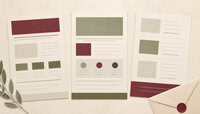

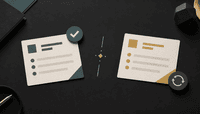

I remember the day I lost a big lead. I had a great product. However, my visual style looked messy. That client did not trust me. I realized then that a logo is not enough. You need a complete system. Plus, you need to understand the identity design definition to build that system the right way.
I learned that identity design is a technical framework. It includes logos, colors, and a brand voice. It is how you want people to see your business. This effort goes directly from the brand to the world. Consistency can boost your revenue by twenty three percent. That is a huge amount of money.
Key Points:
For a related walkthrough, you can also read Beyond the Logo: The Ultimate Brand Identity Design Definition That Builds Trust and Boosts Recognition..
- Identity design builds trust and makes your business stand out.
- A complete system ensures you look the same on every platform.
- Strategic design decisions lead to higher revenue and better leads.
The simple identity design definition for your business
I want to share the real identity design definition with you. It is the set of visual and verbal parts that tell your story. First of all, it is not just a logo. It is a full plan. This plan includes your fonts, colors, and how you speak to clients.
At that time, I thought a pretty picture was enough. I was wrong. A brand is a gut feeling from a customer. You must shape that feeling. Therefore, you use identity design to guide how people feel about your company. Similarly, it helps you set yourself apart from others.
You need to know your “why” before you design anything. Your purpose and mission are the foundation. On top of that, your visual system makes those ideas real. I found that a solid strategy makes the colors and fonts fall into place.
The big difference between brand image and identity
I used to confuse these two terms. They are very different. Your brand identity is how you want to be seen. It is your intentional work to create a look. On the contrary, brand image is how people actually see you.
You control the identity. You do not control the image. However, a good identity helps create the right image. Plus, you must ensure they match. If they do not match, people will not trust your business. I have seen many companies fail because of this gap.
A brand is your reputation. It is the sum of every interaction. Your identity design is the tool you use to shape that reputation. Therefore, you must use it with care. Consistency is the secret sauce for success.
Why a logo system beats a single logo mark
I never show a client just one logo mark. You need a system of marks. This system includes a main logo and secondary marks. For example, you need a small icon for app bars or social media profiles. These are called favicons.
First of all, your logo should be simple and memorable. It must work on a tiny screen or a huge sign. Later, you need clear space rules. These rules keep the logo from looking crowded. I often use the rule of three to set this space.
Additionally, you need to test your logo in black and white. It must look good in every context. I never show a logo on a plain background. I always use a mockup to show how it looks in the real world. This helps clients see the true value.
The science of color and psychology in growth
If this topic is useful, the next helpful resource is Your business needs to know what is identity design to win more clients today.
Color is a powerful tool for your business. It is the first thing our brains process. Studies show that color can increase brand recognition by eighty percent. Therefore, your choice of color is a technical decision. It is not just about what you like.
I use color psychology to evoke specific emotions. Blue can build trust. Red can show energy and excitement. You should pick one or two primary colors. Then, you add secondary colors for variety. Plus, you must think about accessibility.
You need a high contrast ratio between text and background. This ensures that everyone can read your message. I use tools to check these ratios. Web Content Accessibility Guidelines or WCAG are the standard. I always follow these rules to reach more people.
Typography that speaks louder than words
Fonts have a personality of their own. A serif font looks traditional and stable. A sans-serif font looks modern and clean. I choose typefaces that match the voice of the brand. On top of that, readability is the most important goal.
First of all, you should stick to two font families. This keeps your design simple and professional. You also need a clear hierarchy. I use bold fonts for headings to grab attention. Then, I use clear fonts for body text.
Spacing is another key part of your type system. Leading is the space between lines of text. Kerning is the space between letters. I make sure the leading is larger than the font size. This helps people read your content without eye strain.
How to build your visual system step by step
I follow a clear system to build identities. First of all, I do market research. I look at what competitors do. This helps me find a way to be different. Later, I identify the brand personality. I pick three to five traits that describe the brand.
The next step is ideation. I draw many ideas on paper first. I do not show the messy sketches to clients. Then, I take the best ideas to my computer. I use tools like Adobe Illustrator to refine the work. Additionally, I create mood boards to set the vibe.
Finally, I build a brand presentation. I tell a story about the design process. I explain why I made each choice. Then, I create a brand guidelines document. This document is the rulebook for your brand. It ensures everything looks the same for years.
The cost of a professional identity system
I know you want to know about the budget. Quality design is a strategic investment. It is not just an expense. A strong identity can increase revenue by up to twenty three percent. Therefore, you should plan your budget with care. Plus, you need to know the identity design definition to understand what you are buying.
Work can be done in phases. You might start with a simple package. Later, you can build a full system as you grow. Additionally, you must budget for the rollout. Designing the assets is only half the cost. Putting them on your site and social media is the other half.
I have seen prices vary a lot. Some freelancers charge a few thousand dollars. Large agencies might charge six figures. Below is a table that shows common price ranges for professional work.
| Project Type | Average Cost (USD) | What You Get |
| Startup Package | $3,000 – $15,000 | Basic logo, colors, and fonts. |
| Comprehensive System | $15,000 – $50,000 | Full strategy, visual system, and detailed guide. |
| Large-Scale Corporate | $100,000+ | Complex rebrand for large companies. |
I recommend you pick a partner who understands your business goals. Do not just look for pretty pictures. Look for strategy and real results.
Managing your brand assets for the long term
I also recommend checking Aaker and Kapferer: The Models That Define Your Core Branding Identity Definition for a closely related step.
I always tell my clients that a brand is a living system. It is not a one-time project. You must manage your assets to keep them consistent. First of all, use a Digital Asset Management system. This is a central library for your logos and photos.
Additionally, you should appoint a brand guardian. This person reviews all new materials. They make sure everything follows the rules. On top of that, you must update your guide as you grow. A style guide is a living document.
Similarly, you should schedule a brand audit every year. This helps you find gaps in your visual style. You can then fix what is not working. Therefore, your brand will stay modern and effective. Plus, this keeps your revenue high.
Avoiding the common traps that drain your budget
I have seen many owners waste money on design. First of all, do not design by committee. Too many opinions will lead to a boring result. Pick one decision-maker. Trust them to lead the project.
Later, do not follow trends blindly. Trends will expire in a few years. You want a look that is timeless. Additionally, do not skip the strategy. If you do not have a plan, you are just guessing. Similarly, do not ignore your own guidelines.
Your identity must work across all touchpoints. I use a table to track the core elements of a successful system.
| Core Element | Why It Matters | Technical Note |
| Primary Logo | The face of your brand. | Must be a vector for scaling. |
| Color Palette | Triggers emotional response. | Define Hex, RGB, and CMYK values. |
| Typography | Conveys your brand voice. | Limit to 2 or 3 fonts. |
| Brand Voice | How you sound to clients. | Must be consistent in all writing. |
I believe that these traps are easy to avoid. You just need a solid plan from the start. Plus, you must stay focused on your goals.
FAQ’s
What is the identity design definition in business?
It is the strategic collection of visual and verbal parts of your company. These parts work together to show who you are.
How does identity design help generate leads?
Before you move on, Beyond the Logo: Why Understanding what is brand design is Your Key to Trust and Growth can give you more context.
A strong identity builds trust and instant recognition. People prefer to buy from brands they recognize.
Is a logo different from a brand identity?
Yes. A logo is just one part of the whole system. The identity is the entire framework.
What are brand style guidelines?
They are a detailed rulebook for your brand. They tell your team how to use logos, colors, and fonts.
How much should I budget for branding?
Startups often spend between $3,000 and $15,000. Growth companies may spend up to $50,000.
Can identity design improve my revenue?
Another useful page for readers is The Essential Tools and Systems for Perfect Visual Brand Consistency Across Every Site.
Consistency in your brand can increase revenue by twenty three percent. It is a very effective growth tool.
I hope this guide helps you grow your business. You now have the tools to build a strong visual system. Remember that the identity design definition is about more than just looks. It is about strategy and trust. I do not want you to look like everyone else. I want you to look like the best version of your business. Good luck on your journey!
For additional trusted background, see the SBA marketing and sales guide.
More Helpful Guides
- Tools, Ads, and ABM: Systematizing how to generate lead through linkedin for Scaled Growth
- Boost Trust and Revenue: How Can You Ensure That Your Website Stays Visually Consistent with These 5 Steps.
- My Journey With Top AI Cloud Business Management Platform Tools Learn The Secrets Now
- Top ai tools for small business that drive massive growth and scale your operations immediately
- The Core Mission of Sales Funnel Experts: Fixing Leaks and Mastering the 8-Step Customer Value Journey